
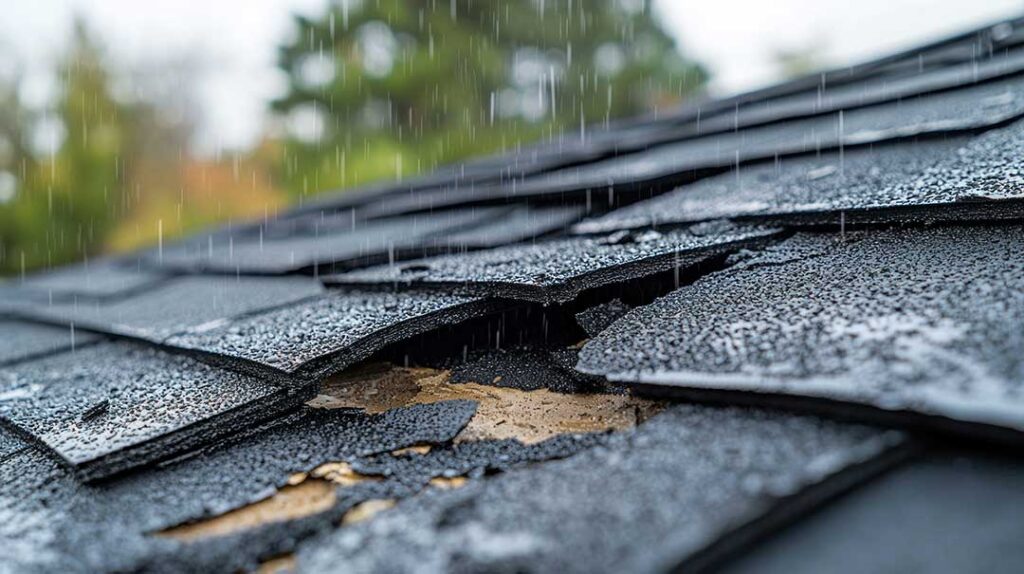
What Is the Difference Between Flat and Sloped Roofs?
Flat roofs, as the name suggests, have little to no pitch, appearing nearly level. Sloped roofs (sometimes called pitched or peaked roofs) have a noticeable incline, shedding water and snow off their surfaces naturally. Both styles are present in the Chittenango, NY area, although each comes with benefits and trade-offs that merit consideration based on local conditions.
Flat roofs are commonly found on commercial, multi-family buildings, and some mid-century homes. They typically have a slight pitch for drainage but look flat from the ground. Sloped roofs are much more common on single-family dwellings in the city. Variations include gabled, hipped, and gambrel designs, each with a distinct profile and drainage pattern.
Why Does Chittenango's Climate Matter for Roof Choices?
Eastern and Central New York are known for cold winters, snow accumulation, and sudden freeze-thaw cycles. Seasonal weather in Chittenango frequently brings heavy snow loads, ice, rainfall, and dramatic temperature swings. These environmental factors significantly impact how flat and sloped roofs perform.
Sloped roofs in this region naturally allow snow and water to slide off, reducing the risk of leaks, ice dams, or excessive weight buildup. Flat roofs can hold water or snow longer, increasing the likelihood of pooling and structural stress if not properly maintained. In areas where snow lingers or rainfall is frequent, drainage design and regular maintenance become more critical for flat roofs.
Are Flat Roofs Prone to More Problems in Chittenango?
Flat roofs may encounter unique challenges in the local climate, but they are not inherently unreliable. The most frequent issues are:
- Water pooling: Without sufficient pitch or effective drainage systems, melting snow or rainwater may collect and seep through seams, flashing, or gaps, especially after a heavy storm or rapid thaw.
- Snow loads: Flat or low-slope designs don’t shed snow easily, increasing roof weight. Over time, this can threaten structural supports, especially on older homes.
- Freeze-thaw cycles: Water that lingers on the roof can freeze, expand, and widen any existing cracks or vulnerabilities in the waterproof layers.
However, modern flat roof designs incorporate improved drainage and materials that can handle moderate snow and water loads, provided upkeep is consistent. Regular inspection and proactive maintenance are especially valuable for these roof types in Chittenango’s environment.
Are Sloped Roofs Always the Better Choice for Local Residents?
Sloped roofs generally perform well in areas with Chittenango’s precipitation and snow. Their angle sheds rain and snow efficiently, meaning less accumulation and fewer problems with leaks or water infiltration. Additionally, sloped roofs typically last longer before needing major repairs, especially when built with durable materials.
But sloped roofs aren’t always superior for every situation. Considerations include:
- Cost: Sloped roofs are often more expensive to construct and repair, due to framing complexity and roofing material requirements.
- Usable space: The area beneath a sloped roof (attic or vaulted ceiling) can’t always be used as living space but does offer increased insulation and airflow.
- Design limitations: Flat roofs can expand usable upper-floor space (think rooftop decks or green roofs), which may be desired for some modern or multi-family properties.
How Does Roof Choice Affect Energy Efficiency and Comfort?
Both flat and sloped roofs influence a home's efficiency and indoor temperature, but in different ways:
- Sloped roofs typically provide more room for insulation under the surface. This helps local homes stay warmer in winter and cooler in summer, which is especially relevant during Chittenango’s long heating season.
- Flat roofs, by contrast, have less attic airspace, so insulation needs to be built into the roof itself (with rigid foam or other materials). Without adequate insulation, heat loss and ice damming become major concerns.
- Roof color, material, and ventilation impact efficiency for both styles. Lighter colors can reduce summer heat gain, and proper ventilation in a sloped roof prevents moisture buildup and extends roof life.
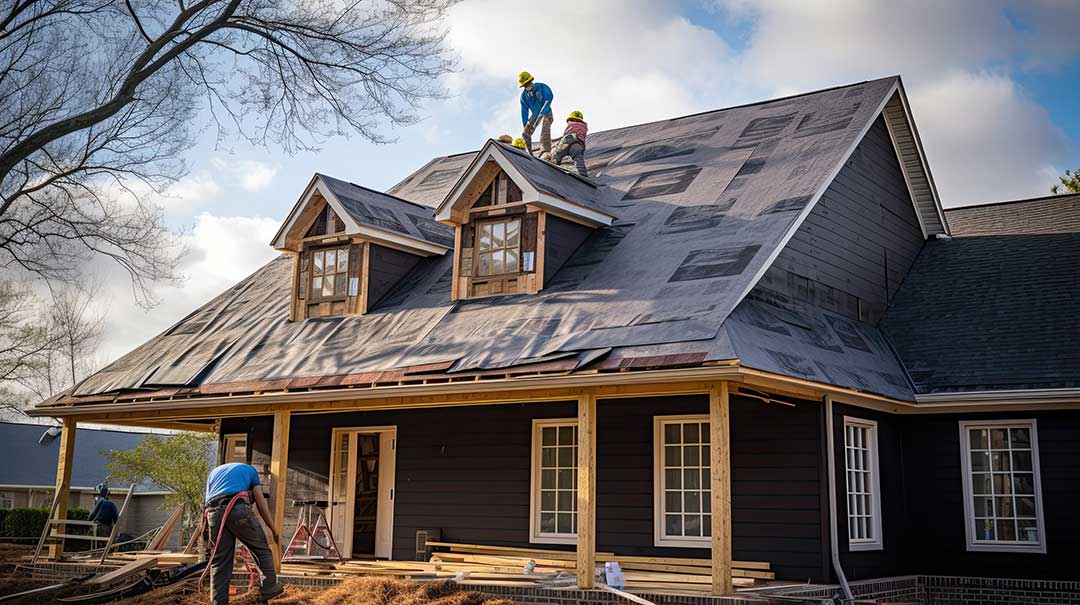
Modern building codes in Chittenango require minimum energy efficiency for new installations or major renovations, but older properties may lack up-to-date insulation or venting.
What Does Building Maintenance Look Like for Flat Versus Sloped Roofs?
Routine maintenance is important no matter the roof type, but requirements differ:
- Flat roofs usually need more frequent inspections—at least every spring and fall—to catch signs of pooling, tears, or blocked drains.
- Sloped roofs also benefit from periodic checks, especially after storms, to look for missing shingles, ice dams, or damage around chimneys and vents.
Repairs to flat roofing systems often involve patching membranes or resealing seams. For sloped roofs, common repairs may involve replacing shingles or repairing flashing. Homeowners who are comfortable working safely at heights sometimes manage minor upkeep themselves, though any work near edges or on icy/slippery surfaces poses risk and should be approached with caution.
What Are Common Misconceptions About Flat and Sloped Roofs in Chittenango?
Many residents believe flat roofs cannot perform well in snowy areas—this is incorrect when they’re properly designed and maintained. Conversely, some assume sloped roofs require little or no maintenance, but wind-driven rain and ice can cause leaks even on steep roofs if flashing or shingles degrade.
A flat roof may offer more outdoor living space, but needs careful consideration of waterproofing details. A sloped roof will likely last longer but may cost more upfront and limit the design of upper-story additions.
Which Is Right for Your Home?
Choosing between flat and sloped roofs in Chittenango depends on the property's structure, your goals for space, long-term maintenance expectations, budget, and the aesthetic you prefer. Both styles are found across the city and can be made to work with local weather if they are thoughtfully designed and routinely cared for. Reviewing how each option matches your home’s layout, lifestyle needs, and the local climate helps make an informed decision tailored to your situation.
