
What Is a Green Roof, and How Does It Work?
A green roof, sometimes called a living roof, features vegetation and soil (or a growing medium) layered over a waterproof membrane. Rather than traditional shingles or metal, these roofs support plant life, creating a living barrier above a home. The basic concept is straightforward: add a lightweight soil layer, select hardy plants, and ensure proper drainage and waterproofing. There are two main types—extensive (shallow, easy-to-maintain, mostly mosses or grasses) and intensive (deeper, supports shrubs or gardens, heavier and more complex).
Most area homes considering this need to plan for seasonal freeze-thaw cycles, snow loads, and localized summer humidity. The process often requires strengthening roof structures and careful selection of plants accustomed to upstate New York’s climate—with an eye on durability as well as appearance.
Are Green Roofs Practical In The Climate of Chittenango, NY?
Green roofs can be practical but require local adaptation. Chittenango receives significant annual snowfall and wide temperature swings. These conditions bring unique challenges for maintaining soil stability, drainage, and plant health. In winter, the weight of snow on top of a saturated planting layer adds stress to structural supports. In warmer months, moisture retention can help keep indoor temperatures steady.
Proper installation for this region means:
- Selecting hardy, drought-resistant, and winter-tolerant plants like sedum, native low grasses, and certain wildflowers
- Ensuring the roof is sloped properly or outfitted with drainage systems to manage runoff
- Installing root barriers and reinforced membranes to prevent leaks
Most local green roofs skew toward extensive types due to their lighter weight and lower maintenance demands.
What Are the Main Benefits for Local Residents?
Green roofs offer benefits that appeal to both environmental and economic interests in Chittenango. Key advantages include:
Insulation and Energy Savings:
The vegetative layer acts as natural insulation. Homes with green roofs may see steadier internal temperatures, leading to reduced demand for both heating in winter and cooling in summer. With energy rates tracking upward, improved insulation can provide long-term utility savings, especially for attic-level rooms.
Stormwater Management:
Vegetation and soil absorb rain, reducing the amount of water that rushes off roofs and into city drains. This helps manage runoff during heavy rain and small thaws, easing pressure on municipal infrastructure. Green roofs act as a buffer for stormwater surges, a notable benefit in communities with aging stormwater systems.
Longevity:
By protecting the underlying roof membrane from sun, wind, and extreme temperature changes, a green roof can extend the lifespan of conventional materials. This means less frequent roof replacement and reduced construction waste.
Biodiversity and Urban Cooling:
These roofs attract butterflies, pollinators, and birds, encouraging local biodiversity. They also modestly reduce the urban heat effect—though in a less dense village like Chittenango, this is a minor but still measurable perk.
What Challenges or Drawbacks Should Homeowners Consider?
While promising, green roofing has several significant caveats for the region:
Upfront Investment:
Installation is more expensive than standard shingles or metal, mainly due to extra structural work. Engineering assessments are essential for most existing homes to verify that the roof can bear the additional load of saturated soil, snow, and mature plantings. The need for expert design and specialized materials increases costs significantly.
Maintenance Needs:
Though extensive green roofs are low-maintenance compared to gardens, they still require periodic weeding, replanting in bare patches, and annual inspection of membranes and drains—particularly after heavy winters or wind events. Intensive types need regular horticultural care.
Potential for Leaks or Structural Issues:
If not installed properly, water can seep through membrane layers, leading to mold, rot, or structural deterioration. This risk is higher in climates with repeated freezing and thawing, like Chittenango. In poorly designed systems, roots may penetrate barriers, or water may pool, damaging the roof or interior.
Replacement and Roofing Codes:
Not all roofing contractors are familiar with green roof systems, and area building codes may require additional approvals or engineering documentation. Insurance carriers may also have specific requirements.
How Do Costs and Savings Compare Over Time?
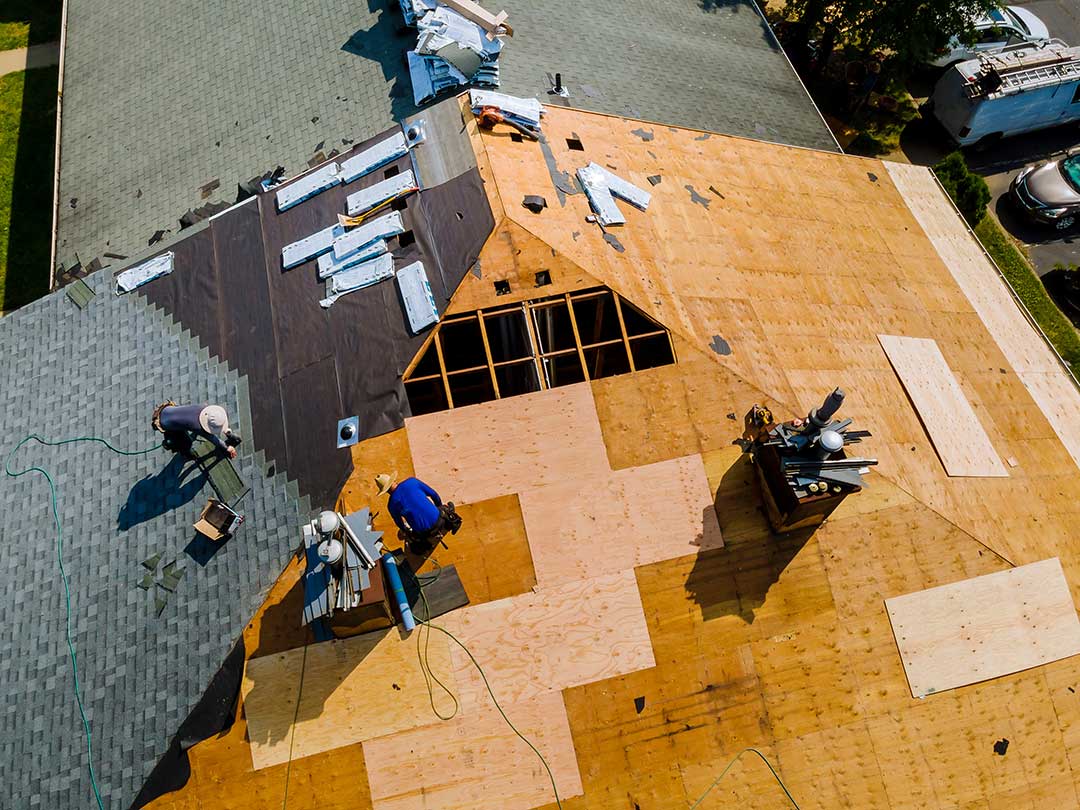
The initial costs for a green roofing system (including materials, plants, reinforcement, and professional design) generally run higher than standard roof types, sometimes double or more. However, some homeowners weigh these initial expenses against ongoing savings and increased roof lifespan.
*Energy Savings:*
Area households may realize utility bill reductions ranging from modest to substantial, especially in homes with poor attic insulation. The real financial impact depends on roof orientation, existing insulation, and building exposure.
*Lifespan Extension:*
Expect a properly installed green roof to last longer than a conventional membrane in similar conditions, sometimes by decades. This may offset initial costs if the structure remains well maintained.
*Potential Rebates or Incentives:*
State or national programs occasionally offer incentives for green stormwater management, though such programs vary in availability.
Are There Common Misconceptions Among Chittenango Homeowners?
A frequent misconception in the area is that a green roof is “maintenance free.” Unlike wild landscapes, even the simplest green roofs require regular checks, especially after ice storms or summer droughts. Another is the belief that any home can support a green roof without modification. In practice, most need at least some retrofitting. Many also assume these roofs are only suited for large buildings or city centers; in reality, single-family homes and small outbuildings can also support green roofs—if engineered correctly.
What Should Residents Weigh When Deciding If a Green Roof Is Worth It?
Residents considering this option should start by asking:
- Will my home’s structure support the additional load?
- What type and depth of green roofing are realistic for our climate?
- Am I prepared for the ongoing responsibilities of plant and membrane maintenance?
- Are the potential savings worth the upfront cost to my household?
It’s essential to consult local building codes and weigh both personal values and the longer lifecycle benefits. For some, supporting local biodiversity and reducing environmental impact justifies the investment. For others, financial outlay or maintenance may be barriers.
A green roof can be a practical, rewarding project for households in Chittenango open to its unique requirements. With thoughtful planning and realistic expectations, it has the potential to enhance both a home’s performance and the wider community’s sustainability.
