
Are All Roofing Materials Equally Suited for Chittenango, NY?
No, roofing material suitability depends on local climate conditions, which in the Chittenango area means dealing with snow, ice, rain, and strong seasonal shifts.
The climate in central New York plays a significant role in roof durability. Asphalt shingles are common and affordable but may suffer quicker wear due to freeze-thaw cycles. Metal roofs hold up well against snow and risk of ice dams, but some homeowners might assume any shingle or tile will perform the same. Here, roofs must manage heavy snow loads and rapid temperature changes, not just rain or sunshine. Homeowners may be surprised that what works in warmer or drier places won’t always last in Chittenango.
Does a Roof Only Need Attention When Leaking?
Waiting until a leak appears often means damage has already occurred, sometimes spreading to insulation, drywall, or electrical systems.
Many residents believe that roofs demand attention only once water comes through. In reality, local weather can produce unseen damage: ice dams, wind-blown shingles, or slow rot caused by frequent snow melting and refreezing. Routine inspection—especially after winter—helps identify missing shingles, deteriorating flashing, or clogged gutters before they lead to major problems. Even tiny cracks or loose shingles may let in moisture over time.
Are New Roofs Maintenance-Free?
Even the highest quality new roof in this area requires regular care to reach its maximum lifespan.
A common misconception is that installing a new roof guarantees decades without concern. Because moss, lichen, and wet leaves are prevalent in the local environment, debris buildup can shorten the functional life of any roof. Gutters that clog during autumn leaf fall or ice dams forming in late winter further increase risk. Regularly clearing off debris and checking for minor storm damage keeps newer roofs functioning properly.
Do Insurance Policies Automatically Cover All Roof Repairs?
Insurance coverage in Chittenango (and the wider region) depends on the cause of damage and the policy’s terms. Not all problems are covered, especially those caused by neglect or gradual wear.
Some area homeowners assume any storm damage or leak is fully protected by insurance. However, most insurance policies specifically exclude routine wear and tear and require prompt maintenance. For example, if leaks result from old, curling shingles that have not been maintained, claims are often denied. Residents should review policy specifics and keep documentation of any maintenance or repairs for future claims.
Is Replacing Shingles Enough for an Aging Roof?
Swapping out damaged or missing shingles may address isolated issues but does not resolve underlying structural problems.
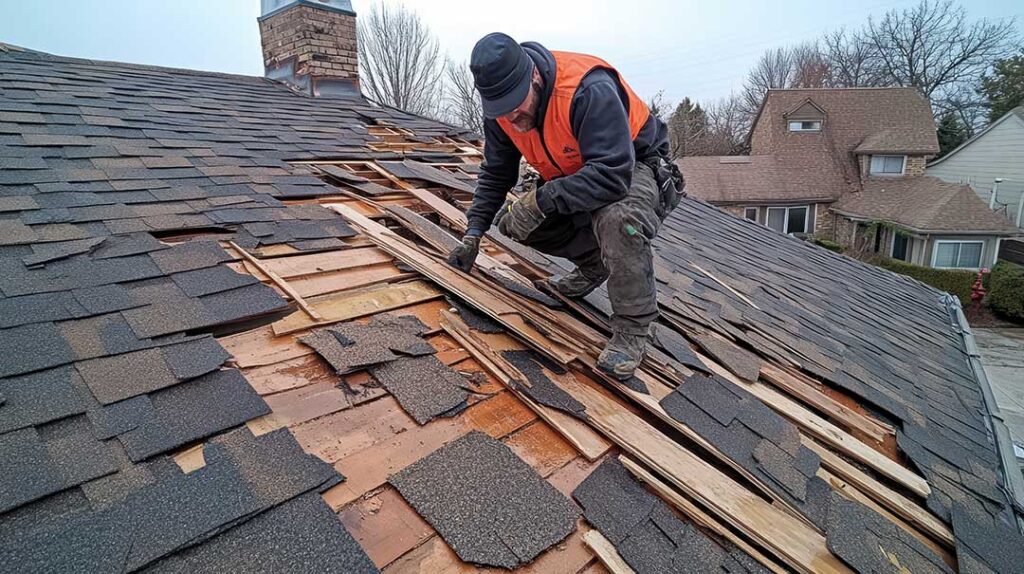
It’s tempting for homeowners—especially after storms—to just replace visible damaged shingles. However, frequent local wind gusts can lift entire sections of roofing, compromising the underlayment or exposing the decking. Hidden moisture damage under older shingles may not be fixed by a simple replacement. For roofs nearing the end of their expected lifespan, more thorough evaluation is often necessary to ensure safety and prevent hidden leaks spreading into attic or wall spaces.
Can Ice Dams Be Ignored Until Spring?
Ignoring ice dams risks long-term damage that isn’t always apparent right away.
In the Chittenango area, ice dams often form as snow on rooftops melts during daytime warmth, then refreezes at night. These ridges of ice prevent proper drainage, pushing water back up beneath shingles. Some believe that if leaks aren’t visible, ice dams are just a temporary nuisance. Unfortunately, repeated freezing causes water to infiltrate under roofing material, leading to mold, rotten wood, or damaged insulation in the months or years that follow.
Are Flat Roofs Only For Commercial Buildings?
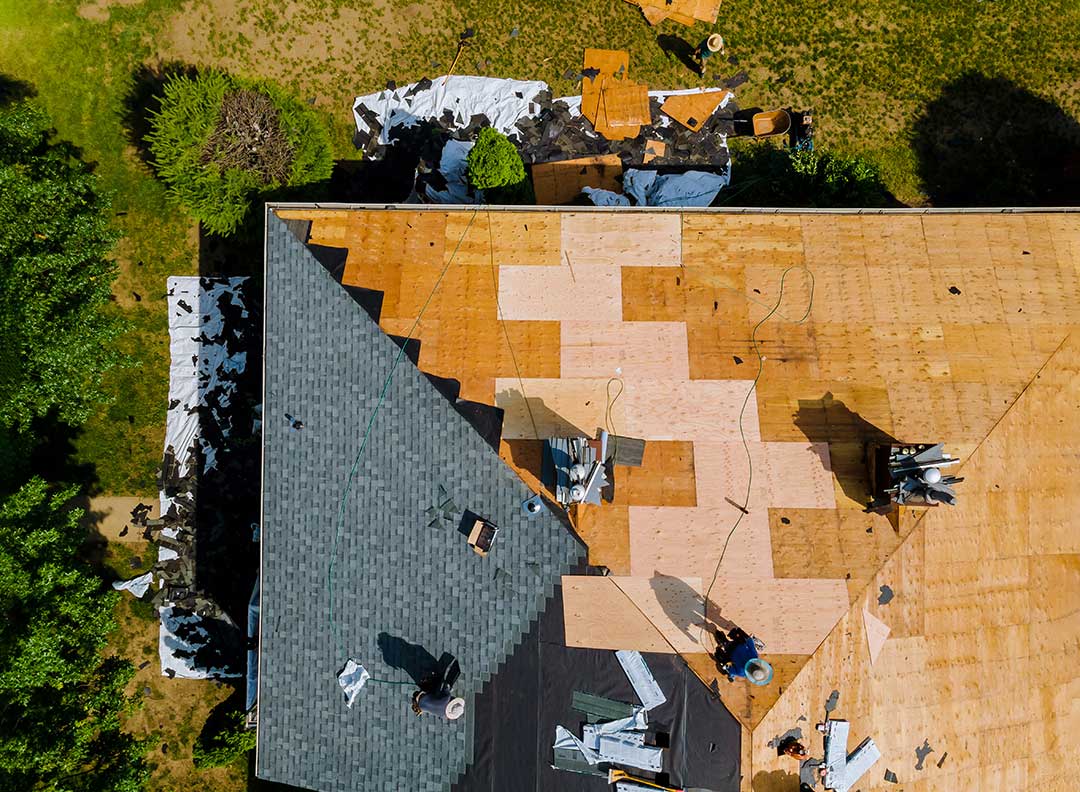
Flat and low-slope roofs are increasingly found on modern residential homes in the region, not just stores or warehouses.
Older homes in Chittenango generally have pitched roofs, but recent trends bring more architecturally varied styles—including flat or low-slope options—to the community. Some residents assume these are only for commercial spaces and thus overlook specific care needs: flat roofs are subject to puddling and faster debris accumulation. They require different drainage planning and maintenance after snowstorms or heavy rainfalls.
Does Roof Color Only Affect Appearance?
Roof color influences not just aesthetics, but also heat retention and, in winter, how quickly snow and ice melt off the rooftop.
Darker colored shingles absorb more sunlight and can speed up snow melt, but may create more rapid freeze-thaw cycles, potentially stressing roofing material. Lighter shingles reflect sunlight and might stay colder, allowing snow to linger but reducing attic heat gain in summer. While these effects are subtle compared to insulation or ventilation quality, they are still factors when choosing materials for new installations or replacements.
Is Roof Ventilation Optional in a Cold Climate?
Proper roof ventilation is essential, not optional, for homes in snowy climates like Chittenango.
An attic that is poorly ventilated will trap warm, moist air rising from below. This encourages ice damming as heat melts snow unevenly, and can lead to mold issues due to trapped humidity. Some homeowners believe that keeping all the warmth inside the house is best for winter savings, but balance is critical—good roof ventilation preserves both comfort and the roof’s lifespan.
Are Permits or Inspections Just a Formality?
Most roof work in Chittenango requires local permits and may be subject to an inspection to ensure it meets building code and safety standards.
Some believe these requirements are unnecessary bureaucracy. However, local codes are shaped by years of weather experience and safety incidents. Skipping permits can result in fines or trouble selling a home later. Inspections help catch hidden problems, such as improperly installed flashing or substandard materials, before they cause bigger headaches down the road.
