
How can animals affect roof integrity?
Animals can damage a roof by creating openings, loosening materials, blocking drainage, and introducing moisture into concealed spaces. Even a small entry point may allow water, nesting material, and additional wildlife to reach the roof deck, attic insulation, wiring, or interior ceilings.
In Chittenango, seasonal temperature changes, snowfall, rain, and wind can make animal-related damage more serious. A minor gap that seems harmless during dry weather may admit melting snow or wind-driven rain later in the year.
Common roof visitors include:
- Squirrels and birds
- Raccoons and other larger mammals
- Bats
- Mice and other rodents
- Insects such as carpenter ants, wasps, and bees
The damage depends on the animal, the roof design, the location of the entry point, and how long the problem continues.
Which parts of a roof are most vulnerable?
Animals usually enter through weak points rather than sound, undamaged roofing. Roof edges, vents, trim, and penetrations are especially vulnerable because they contain joints, gaps, or thinner materials.
Common access points include:
- Loose or deteriorated soffit and fascia
- Damaged ridge vents or attic vents
- Gaps around plumbing vent pipes
- Openings near chimneys
- Torn or poorly secured flashing
- Missing shingles near roof edges
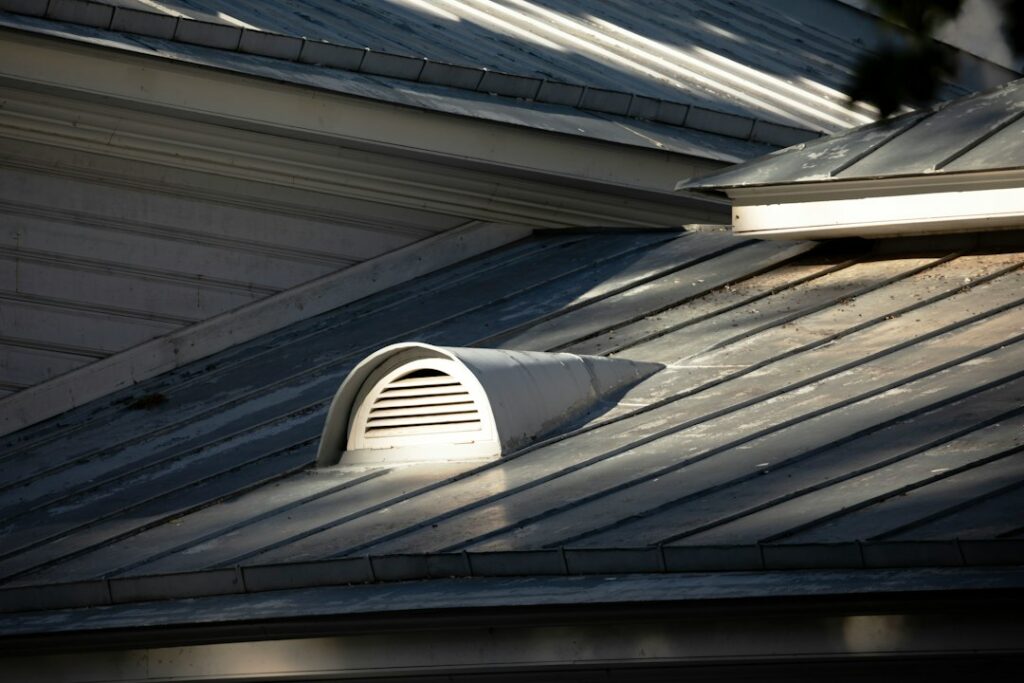
- Uncovered gable vents
- Roof-to-wall intersections
- Openings beneath overhanging sections
Squirrels may enlarge small holes by chewing wood, plastic, or certain types of roofing components. Raccoons can pull away loose materials with enough force to create a much larger opening. Birds may enter vents or nest beneath lifted shingles, while bats often use narrow gaps near flashing, fascia, or roof edges.
What kinds of damage do squirrels, raccoons, and rodents cause?
Different animals leave different warning signs. Identifying the likely cause can help explain why a roof problem is occurring.
Squirrels commonly chew through wood trim, vent covers, and soft materials near the roofline. Their activity may produce scattered shingle fragments, gnaw marks, or daylight visible through an attic opening.
Raccoons can cause more extensive structural damage. They may tear at roof edges, remove shingles, bend flashing, or enlarge an opening around a vent. Their weight can also damage weak sections of roofing or attic components.
Mice usually enter through very small openings. They may not cause obvious exterior damage, but their nesting materials can obstruct vents, contaminate insulation, and create odors. Their gnawing can also damage wiring.
Birds may dislodge roofing granules, nest inside vents, or bring twigs and leaves into areas designed for airflow. Nesting material can restrict ventilation and hold moisture against wood surfaces.
Animal activity is not always visible from the ground. Scratching sounds, repeated movement near the ceiling, or unexplained attic odors may be the first indications of a problem.
Can animals cause roof leaks?
Yes. Animals can cause leaks by breaking the weather-resistant surface or by disturbing the components that direct water away from the building.
A leak may develop when an animal:
- Removes or cracks shingles
- Tears roofing membrane
- Bends metal flashing
- Damages a vent boot
- Blocks a drainage path
- Creates a hole in the roof deck
- Pushes nesting material beneath shingles
Water does not always appear directly below the damaged area. It may travel along rafters, insulation, wiring, or ceiling materials before becoming visible inside the home. A ceiling stain may therefore be located several feet away from the actual entry point.
Snow and ice can make these problems harder to detect. Water from melting snow may enter through a small opening and remain hidden until it reaches insulation or interior finishes.
Why are roof vents and attic ventilation at risk?
Roof ventilation components are attractive entry points because they connect the outside air with the attic. If a screen, cap, or protective cover is damaged, animals may enter easily.
Nesting inside a vent can create several problems:
- Reduced airflow
- Trapped heat and moisture
- Mold-friendly conditions
- Wet or compressed insulation
- Blocked exhaust pathways
- Greater deterioration of roof sheathing
A blocked vent may not cause immediate visible damage, but long-term moisture buildup can weaken wood and shorten the service life of roofing materials. Replacing or covering a vent without confirming that no animal remains inside can also trap wildlife in the attic.

What signs suggest animal activity on a roof?
Some signs are visible from the ground, while others require a careful attic inspection. Useful clues include:
- Missing, lifted, or torn shingles
- Gnaw marks on trim or vent covers
- Feathers, fur, droppings, or nesting material
- Scratching or movement sounds
- Strong odors near the attic
- Damaged insulation
- Daylight visible through roof or wall openings
- Stains near attic vents or roof penetrations
- Repeated animal activity at the same roof edge
- Small holes that appear to be getting larger
A roof should not be climbed simply to investigate animal damage. Wet shingles, frost, steep slopes, and unstable materials create fall hazards, especially during colder months.
Should an opening be sealed immediately?
Not always. Sealing an opening without determining whether an animal is inside can trap adults, young animals, or bats within the roof or attic. The result may be additional damage, odor, and distress for the animals.
The safer sequence is generally:
1. Identify the entry point.
2. Determine whether the opening is active.
3. Check for nesting animals or dependent young.
4. Address the animal issue using lawful, humane methods.
5. Repair the opening and any surrounding roof damage.
6. Confirm that water cannot enter through the repaired area.
Wildlife protections and seasonal restrictions can apply, particularly with bats and nesting birds. A situation involving live animals, electrical wiring, contaminated insulation, or unstable roofing may require specialized assistance for safety and legal reasons.
How can homeowners reduce animal-related roof damage?
Prevention begins with maintaining the roof perimeter and attic ventilation system. The goal is to remove easy access while preserving proper airflow and water drainage.
Useful maintenance steps include:
- Replace damaged or missing shingles promptly.
- Keep fascia, soffit, and roof-edge materials in sound condition.
- Repair torn vent screens and damaged caps.
- Check flashing around chimneys, roof intersections, and penetrations.
- Trim branches that provide animals with direct access to the roof.
- Keep attic vents clear of nesting material.
- Inspect the attic after major storms and before winter.
- Avoid leaving food or unsecured waste near the home.
- Look for new gaps after heavy wind, ice, or snow.
Tree branches do not need to touch the roof to create a problem. Squirrels and other animals may use branches as launching points, while falling limbs can damage shingles, flashing, and vents even without creating a large hole.
When does animal damage become a structural concern?
Animal activity becomes more serious when it affects the roof deck, framing, ventilation, electrical wiring, or moisture control. A small exterior repair may not be enough if water has already entered the attic.
Warning signs include sagging roof surfaces, soft wood, recurring leaks, widespread staining, damaged wiring, persistent odors, or insulation that is wet or heavily contaminated. These conditions can affect indoor air quality and the building’s structural performance.
The most useful response is a coordinated inspection of the exterior roof and attic. Repairing only the visible hole may leave hidden damage, an active entry route, or moisture trapped beneath the roofing system.
