
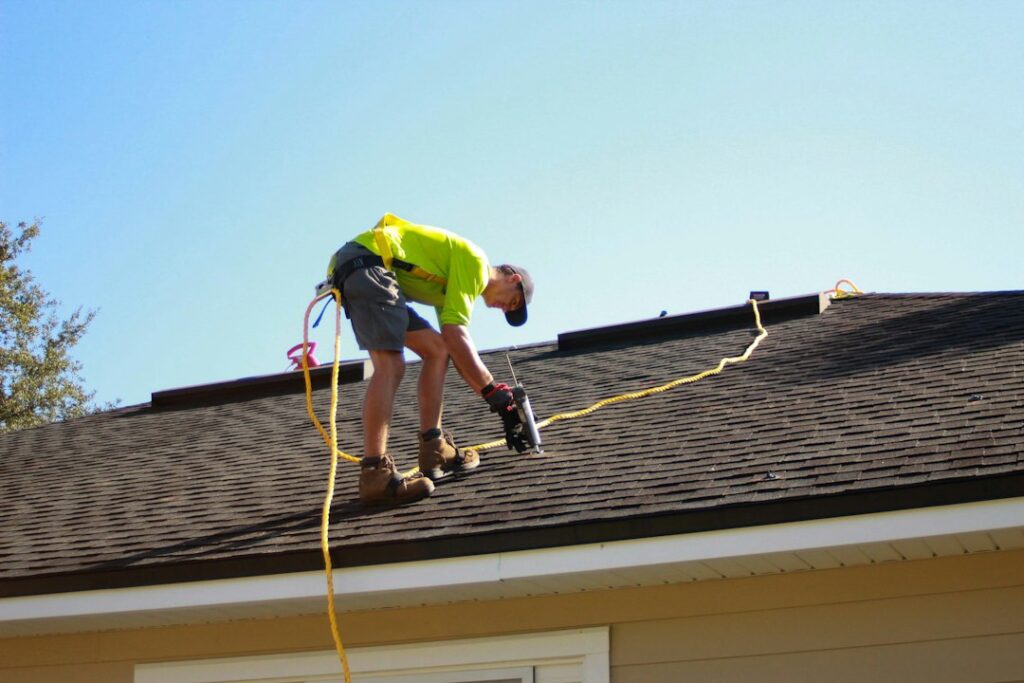
Roof repairs can become urgent after wind, ice, heavy snow, fallen branches, or a sudden leak. That urgency is exactly what dishonest operators exploit. In Chittenango, NY, homeowners may encounter roofing scams after severe weather, but many warning signs are present even during ordinary repair seasons.
A reliable roofing decision usually includes time to ask questions, compare written information, verify identities, and understand the work before money changes hands.
What are the most common roofing scams?
The most common roofing scams involve unsolicited inspections, high-pressure sales, vague contracts, exaggerated damage claims, and large upfront payments. Some scammers disappear after receiving money, while others perform rushed work using unsuitable materials.
Typical warning signs include:
- Someone appears without an appointment and claims to have noticed serious roof damage from the street.
- A salesperson says materials are left over from another job and offers an unusually low price.
- The homeowner is told the roof must be replaced immediately, without time for a second opinion.
- The contractor refuses to provide a written scope of work.
- The quoted price changes substantially after work begins.
- Payment is requested in cash, by wire transfer, gift card, or another method that is difficult to recover.
- The person cannot provide a verifiable business address, insurance documentation, or references.
A door-to-door visit is not automatic proof of fraud, but it deserves extra caution. A homeowner should never feel obligated to make a same-day decision.
How can a homeowner tell whether roof damage is real?
Ask for a clear explanation and photographs of the alleged damage. A trustworthy inspection should identify specific conditions, such as missing shingles, exposed underlayment, damaged flashing, punctures, active leaks, or deterioration around roof penetrations.
Be cautious when a salesperson:
- Points to damage that cannot be seen or explained.
- Claims that an entire roof must be replaced because of one minor issue.
- Uses frightening language instead of describing the condition.
- Refuses to leave photographs or a written inspection summary.
- Discourages an independent inspection.
Storm damage can be difficult to evaluate from the ground. Ice, wind, and falling branches may affect shingles, flashing, gutters, vents, or roof edges differently. A leak inside the home may also originate from a small opening rather than widespread roof failure. Getting another inspection is reasonable, particularly when the proposed repair is expensive.
Why are storm-chasing roofing scams so common?
Severe weather creates a sudden demand for repairs, and scammers use that pressure to obtain quick deposits. They may travel through an area after a storm, claim to be helping nearby households, and promise that work can begin immediately.
After heavy snow, strong wind, or tree damage, temporary protection may be necessary to prevent additional water entry. That does not mean a homeowner must sign a full replacement contract on the spot. Temporary measures, such as covering an opening or controlling active water intrusion, should be clearly separated from permanent repairs.
Be especially careful if a company:
- Has no established local contact information.
- Uses a vehicle or clothing with no clear business identification.
- Says “everyone nearby” is using the same crew.
- Requests a large deposit before materials or work are documented.
- Promises that insurance will pay for everything.
A contractor cannot guarantee an insurance claim outcome. The homeowner should review the policy and communicate directly with the insurance company about covered damage, documentation, deductibles, and repair procedures.
What should a written roofing contract include?
A written contract should describe the project in enough detail that a homeowner can tell what is included and what is not. A single-page document with only a total price may leave important questions unanswered.
Look for:
- The contractor’s legal business name, address, and reliable phone number.
- A detailed description of the work.
- The type, brand, grade, or specifications of proposed materials when relevant.
- Whether old roofing materials will be removed and disposed of.
- Treatment of damaged decking, flashing, vents, chimneys, and gutters.
- The total price, deposit amount, and payment schedule.
- Start and estimated completion dates.
- Procedures for weather delays and unexpected conditions.
- Warranty terms and who is responsible for warranty service.
- A process for approving changes in writing.

Do not sign blank forms or contracts that allow the contractor to fill in prices, materials, or other terms later. Any change to the project should be written down and approved before the additional work is performed.
How much money should be paid before roofing work begins?
A large upfront payment is a major warning sign. A reasonable payment schedule connects payments to documented progress rather than requiring the full price before work starts.
Avoid paying in cash when possible, and be cautious about wire transfers or other methods that offer little protection. Keep receipts, copies of contracts, photographs, inspection notes, and messages in one file.
The final payment should not be made until the agreed work is substantially complete, debris has been removed, visible issues have been addressed, and required inspections or approvals have been handled. A homeowner should not be pressured to release payment merely because the crew says it is finished.
How should roofing companies and workers be verified?
Verification should happen before signing, not after a dispute begins. Ask for proof of liability insurance and workers’ compensation coverage where applicable. Insurance documents should come from the insurer or another independently verifiable source rather than only from an informal text message.
Check the business name, address, phone number, and references. Speak with references directly and ask whether the contractor completed the work as promised, handled changes fairly, and returned to correct problems.
Local requirements can vary. Before major work begins, confirm whether a permit, inspection, or other approval is required for the property. A contractor who says permits are unnecessary without checking may be avoiding oversight.
Licensing rules also vary by location and type of work. Do not assume that a business card, online listing, or professional-sounding title proves authorization to perform the project.
What insurance and financing tricks should homeowners watch for?
Some roofing scams involve insurance paperwork rather than roof installation. A contractor may ask a homeowner to sign documents assigning over insurance benefits, authorize broad claim decisions, or inflate damage descriptions. Read every document carefully and ask the insurance company what the document does before signing.
Be cautious with financing offered during a high-pressure sales visit. Review the interest rate, fees, payment amount, loan term, and consequences of missed payments. A low monthly payment can conceal a long repayment period or a high total cost. Never sign a financing agreement that is incomplete or unclear.
A legitimate repair discussion should not require immediate surrender of control over an insurance claim, bank account, or property rights.
What should a homeowner do after signing a suspicious roofing agreement?
Act quickly but calmly. Stop additional payments if possible, preserve all documents and communications, and photograph the roof and work area. Do not allow further work if workers appear unsafe, unqualified, or unwilling to follow the written agreement.
Contact the bank or payment provider promptly if money was transferred under deceptive circumstances. Notify the insurance company if the project involves a claim. For suspected fraud, consumers may also report the matter to local law enforcement, the New York Attorney General’s consumer assistance system, or the Federal Trade Commission.
If an active leak or structural hazard threatens the home, arrange only the temporary safety work needed to prevent further damage while the dispute is documented. Roofing decisions are easier to protect when the homeowner controls the pace, keeps records, and refuses to confuse urgency with permission to skip basic checks.
