

Why Is Roof Debris Removal Necessary in Chittenango, NY?
Roof debris removal matters for area households because our seasonal changes—windy springs, leafy autumns, and wet winters—regularly put branches, leaves, pine needles, and moss on rooftops. Left unchecked, debris holds moisture against roofing materials, speeds up wear, and can clog gutters. Local roofs, especially those under mature maples and pines or those shaded for much of the day, face a higher risk for algae growth and moss buildup. Over time, this leads to leaks, insulation problems, and even pest infestations. Regular debris clearing not only keeps roofing materials working as intended but can help extend their useful life.
What’s the Safest Way to Access the Roof?
The safest debris removal method depends on roof pitch, height, and material. Most residential homes in the community have moderate slopes, but even a single-story home can present fall risks. Start by evaluating:
- The weather—avoid work if surfaces are wet or icy.
- Your physical comfort with heights—don’t climb if unsure.
- Ladder safety—use a sturdy, well-placed ladder on flat ground. Extend at least three feet above the eave and never overreach sideways.
Residents with very steep or tall roofs should not attempt to walk or stand directly on the surface. Long extension poles and roof rakes can be used from ground level for single-story homes or shallow pitches. Never attempt roof work during high winds or thunderstorms—conditions common in the area, especially in spring and fall.
Which Tools Are Most Effective for Different Types of Debris?
Not all debris requires the same approach. For leafy buildup and small twigs, a soft-bristled broom, plastic rake, or a dedicated roof brush works well. Metal rakes can damage shingles, so avoid anything with sharp edges. For pine needles and stubborn moss, use a hand-held leaf blower on a low setting or specialty moss brushes available at local hardware stores. In heavily treed neighborhoods, having gutter scoops or hose attachments helps dislodge packed debris near downspouts. Remove larger branches by hand, keeping an eye out for slick surfaces or loose shingles.
Should Gutters Be Cleared at the Same Time?
Cleaning gutters while removing roof debris is practical and highly recommended. Clogged gutters, especially after autumn leaf fall or spring pollen, cause water backup that damages both roof edges and home foundations. Using gloves, scoop out organic matter and flush the channels with a garden hose, ensuring downspouts flow freely. Many homes in the area have gutter guards, but these still require inspection as seeds and pine needles can pile up atop screens.
How Often Should Residents Remove Debris?
Frequency depends on surrounding vegetation and the season. For homes under or near trees, especially maples and evergreens, check roof and gutters at least twice a year: after the main leaf drop in late autumn and again in spring after snowmelt. Severe storms may warrant an extra check. In newer neighborhoods with fewer mature trees, annual spring cleaning may suffice, but keep an eye out for windblown material after storms.
Are There Local Risks or Misconceptions About DIY Roof Cleaning?
A common misconception is that pressure washing or strong chemical solutions are safe for removing algae or moss. In reality, high-velocity water can lift shingles or crack tiles, creating a pathway for leaks. Likewise, harsh chemicals may not be suitable for some roofing materials common in the city’s historic homes. Using gentle tools and diluted soap solutions keeps materials safe. Another overlooked factor is personal safety gear—anti-slip shoes, work gloves, and eye protection are vital for any roof work, especially on damp or mossy surfaces. Family members or neighbors should be present to spot ladders and help keep the work area safe.
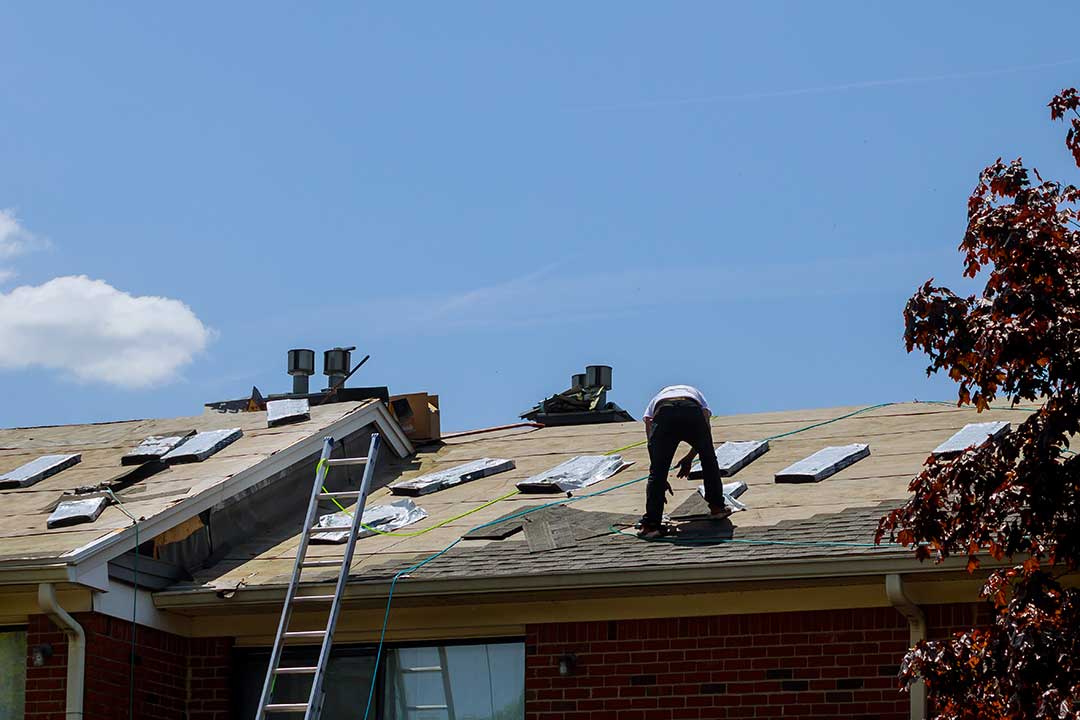
What Should You Watch For While Cleaning?
Debris removal also provides a good opportunity for a quick roof check. Look for:
- Shingle granules in gutters (a sign of aging asphalt shingles)
- Pools of water that don’t drain (possible issue with slope or clog)
- Areas where moss or lichen return quickly (indicates lingering shade or moisture)
- Signs of wildlife, such as nests or gnawed wood
Addressing small concerns when found is easier and less costly than waiting for visible leaks or water damage inside the home.
Are There Environmentally Friendly Options for Disposal?
Organic roof debris can often be composted with yard waste if free of chemical treatments or roofing fragments. The city’s leaf and yard waste pickup accepts small branches, leaves, and similar material each fall. Avoid burning debris, as this is restricted or prohibited within city limits due to air quality rules and fire risk. If cleaning moss or algae, ensure runoff water is directed into soil or lawns rather than storm sewers.
