
A roof problem rarely stays confined to the roof. In Chittenango, NY, repeated snow, rain, wind, ice, and temperature changes can turn a minor defect into damage involving insulation, ceilings, framing, electrical components, and personal belongings.
The financial cost is only part of the issue. Ignored roof damage can also affect indoor air quality, household safety, energy use, and the ability to complete repairs during favorable weather.
Why does a small roof leak become a larger repair?
A small leak can allow water into roofing underlayment, wood decking, insulation, wall cavities, and ceiling materials. The visible stain inside the home may appear far from the actual entry point because water can travel along rafters, fasteners, insulation, or drywall before it becomes noticeable.
A dark spot on a ceiling does not necessarily indicate the full extent of the problem. By the time staining appears, moisture may already have affected:
- Roof sheathing
- Attic insulation
- Ceiling drywall
- Wall framing
- Electrical wiring or fixtures
- Paint, trim, flooring, or stored belongings
Moisture also tends to spread during repeated storms. A leak that seems inactive during a dry week may reopen during wind-driven rain, melting snow, or an ice buildup along the roof edge.
What is the true cost of delaying roof repairs?
The true cost includes both the original roof defect and the secondary damage that develops around it. Delaying action can change a limited repair into a project involving several building systems.
Common added costs may include:
Structural materials
Persistent moisture can weaken roof decking, fascia, rafters, and wall framing. Wood may soften, stain, split, or develop fungal growth. Not every discolored board requires replacement, but concealed damage cannot be judged accurately from the roof surface alone.
Insulation and indoor comfort
Wet insulation loses effectiveness and may remain damp for a long time, particularly in poorly ventilated attic spaces. That can contribute to uneven temperatures, higher heating and cooling demand, and moisture-related odors.
Interior finishes
Ceilings and walls often require removal if they have absorbed substantial water. Even when drywall appears dry, trapped moisture behind it can lead to bubbling paint, damaged joint compound, staining, and recurring odors.
Electrical risks
Water near light fixtures, wiring, attic junctions, or electrical equipment creates a safety concern. Flickering lights, tripped breakers, warm outlets, or visible water near electrical components should not be treated as ordinary cosmetic damage.
Personal property
Boxes, furniture, clothing, documents, and seasonal decorations stored in an attic or upper-level room may be damaged before a leak becomes obvious. Photographs and paperwork can be especially difficult or impossible to replace.
How does winter weather increase the risk in Chittenango?
Cold-weather conditions can expose weak points that remain unnoticed during mild seasons. New York winters may involve snow, rain, sleet, freezing rain, strong winds, and rapid temperature changes. ([weather.gov](https://www.weather.gov/aly/winterpreparednessfornewyorkers?utm_source=openai))
Ice dams are one concern. They can form when heat escapes into a roof area, melts snow above a colder eave, and allows water to refreeze near the roof edge. The resulting water backup can move beneath roofing materials and into the attic or exterior walls. New York weatherization guidance identifies poor ventilation and heat loss as contributors to this process. ([hcr.ny.gov](https://hcr.ny.gov/system/files/documents/2021/12/nys-wap-2021-field-guide_screen-version-002.pdf?utm_source=openai))
The state residential code also addresses ice-barrier protection in areas with a history of ice forming along eaves and causing water backup. ([dos.ny.gov](https://dos.ny.gov/nys-residential-code-noa-7242025?utm_source=openai))
Winter can also hide warning signs. Snow may cover missing shingles, cracked flashing, or damaged roof edges. Then, as temperatures rise and precipitation changes from snow to rain, water can enter through defects that were not visible from the ground.
Which warning signs should not be ignored?
Some signs deserve prompt attention even if the roof is not actively leaking at the moment.
Look for:
- A ceiling stain that grows, darkens, or returns after drying
- Dripping or dampness in the attic
- Musty odors near upper floors
- Bubbling paint or sagging drywall
- Shingles that are missing, lifted, cracked, or heavily worn
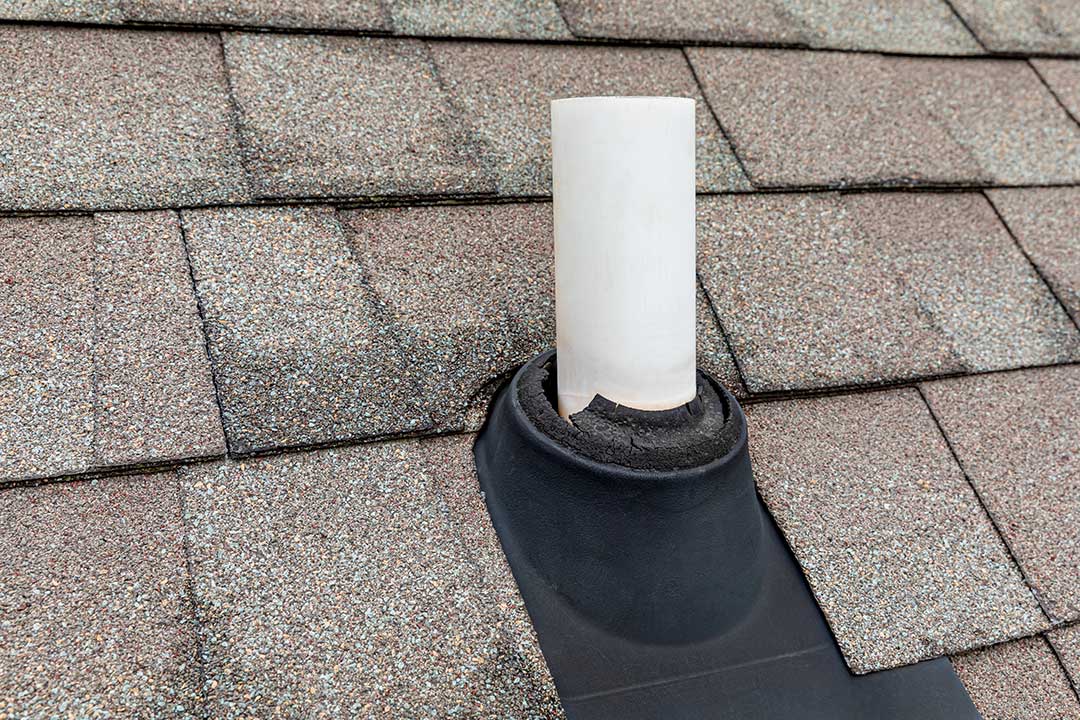
- Exposed fasteners or damaged flashing around roof openings
- Granules collecting in gutters or at downspout outlets
- Daylight visible through the roof deck
- Damp insulation or wet wood in the attic
- Water near electrical fixtures
A roof does not have to leak continuously to cause damage. Intermittent leaks may occur only during wind-driven rain, heavy snowmelt, or particular wind directions.
Is an old roof automatically a failing roof?
No. Age is a useful clue, but it does not prove that a roof has failed. Roof condition depends on installation quality, ventilation, drainage, storm exposure, maintenance, materials, and the history of repairs.
An older roof with sound flashing, dry decking, intact shingles, and proper drainage may perform better than a newer roof with installation defects. Conversely, a roof can develop serious problems before its expected service life if water is allowed to enter around chimneys, vents, skylights, valleys, or wall intersections.
The more useful question is not simply “How old is the roof?” It is “What evidence shows that the roof is keeping water out and shedding it properly?”
Can gutters and drainage problems damage a roof?
Yes. Blocked or poorly functioning gutters can allow water to back up beneath roof edges, soak fascia boards, and run down exterior walls. Overflow may also saturate soil near the foundation.
In cold weather, trapped water can freeze and expand. Repeated freezing and thawing may worsen cracks, loosen connections, and increase the weight of ice at the roof edge. Gutters should not be used as a substitute for correcting roof drainage, slope, flashing, or ventilation problems.
Downspouts also matter. Water discharged directly beside the foundation can contribute to basement dampness, soil erosion, and settlement-related concerns, even when the roof itself is not leaking.
What can homeowners safely check?
Ground-level observation is usually appropriate. From the yard or a window, residents can look for missing shingles, sagging roof lines, damaged gutters, fallen roofing material, or stains on exterior walls.
Inside, it is reasonable to inspect accessible attic areas with a flashlight, especially after heavy rain or snowmelt. Avoid walking on ceiling drywall, stepping on insulation, or entering areas with unstable flooring.
Roof surfaces become particularly hazardous when wet, icy, steep, or covered with snow. If there is active leaking near electricity, visible sagging, a partially collapsed area, or a large amount of water entering the home, keep people away from the affected area and treat it as a safety issue rather than a routine maintenance task.
Are roof repairs subject to New York requirements?
Some work may require compliance with the New York State Uniform Code, including requirements related to roof coverings, ice barriers, structural conditions, and permits. The applicable rules can depend on the type and scope of work, the building, and whether structural components are being altered. New York’s current code resources explain that permits may be required for work covered by the Uniform Code. ([dos.ny.gov](https://dos.ny.gov/division-building-standards-and-codes-frequently-asked-questions?utm_source=openai))
That makes documentation useful. Keeping records of leaks, photographs, previous repairs, and dates of water entry can help clarify whether a problem is recurring, storm-related, or connected to an older repair.
The most economical roof problem is usually the one identified while the damage is still limited to the roof system. Once moisture reaches insulation, framing, electrical components, or finished rooms, the repair becomes less predictable and more disruptive.
