
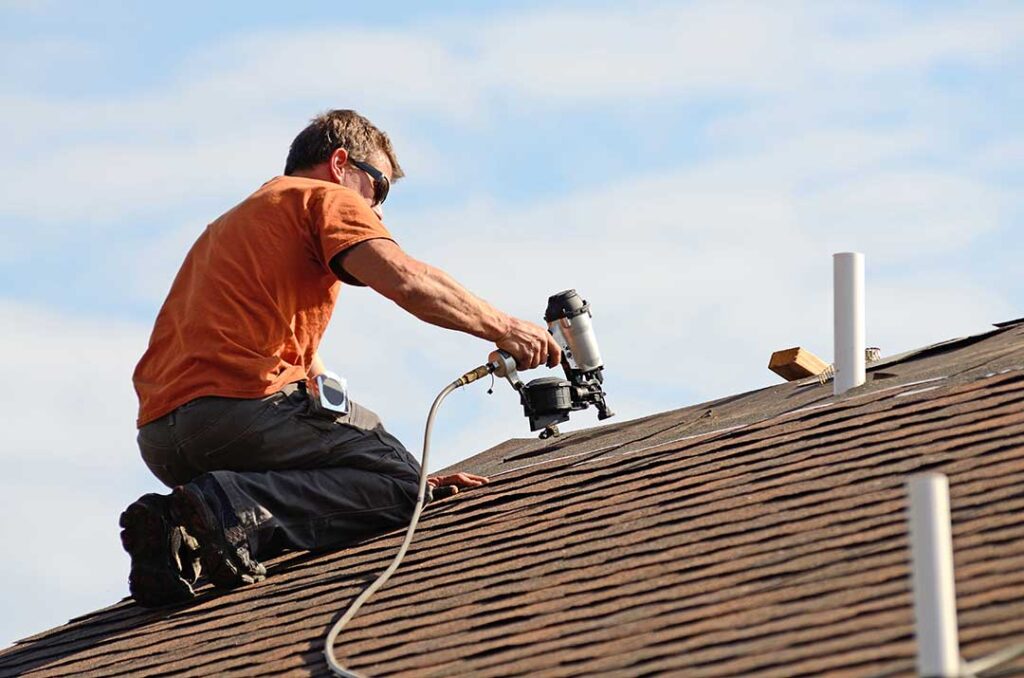
What Risks Does Ignoring Roof Repairs Create for Local Homes?
Delaying roof maintenance or repairs increases the likelihood of widespread water damage, structural problems, and mold growth, especially with Chittenango, NY’s seasonal weather swings. Even minor issues, such as a missing shingle or a small leak, tend to worsen quickly as the region’s rainfall, snow, and freeze-thaw cycles exploit every weakness in a roof’s protection.
In Chittenango, homes are subject to varied weather, including heavy snow in winter, rapid spring thaws, and driving rain at other times of the year. Any gap in your roof's defenses gives moisture a way inside. Seemingly small gaps can lead to major trouble with insulation and interiors unless spotted and addressed early.
How Does Water Damage Spread from an Unrepaired Roof?
Water entering from a compromised roof does not stay confined to one spot. It finds paths through insulation, support beams, and internal walls – often unnoticed until visible staining or a musty smell appears indoors. If allowed to continue, this can result in:
- Soggy, compacted insulation that loses its effectiveness
- Degraded wooden joists and beams, which can rot or become structurally unsound
- Damaged ceilings and wall materials (like drywall or plaster)
- Shorted electrical wiring or disrupted light fixtures
In the context of Chittenango homes, where attic spaces are often used for storage or utility routing, water intrusion can easily affect belongings or compromise home systems.
Why Is Mold Growth a Concern After a Roof Leak?
Any moisture entering through the roof provides ideal conditions for mold, especially in attics and between wall cavities. Mold spores thrive in damp, dark places and can become airborne, creating potential health issues for household members.
For residents with allergies, asthma, or immune sensitivities, mold growth from roof leaks poses particular dangers. Beyond respiratory health, unchecked mold can also damage insulation, wood, and even stored household goods.
Can a Small Roofing Issue Really Become a Large Structural Problem?
Yes—a minor leak or missing shingle may seem trivial, but local climate patterns in Chittenango accelerate deterioration. Melting snow and ice dams in winter create standing water that flows into gaps. In summer, UV radiation and rapid temperature changes cause materials to expand and contract, stressing exposed parts.
Examples of small issues leading to major repairs include:
- A single lifted shingle allows water beneath, weakening adhesive layers and spreading the damage
- Flashing (the metal strips around chimneys, skylights, or vent pipes) can rust or pull away, giving water a direct route inside
- Gutters or downspouts clogged with debris let water back up under roof edges, especially during spring thaw
What was once a simple repair—had it been caught early—can result in the need for large sections of roofing and substructure to be replaced.
Are There Hidden Costs of Waiting on Roof Repairs?
Waiting often leads to costs that outpace the original repair. Local homeowners sometimes assume that skipping minor fixes will save money, when in reality, these delays allow secondary damage to compound. Examples include:
- Increased heating and cooling bills due to damaged insulation and air leaks
- Replacement of damaged attic contents, such as boxes, seasonal decorations, or keepsakes exposed to water and mold
- Possible insurance claim denials if neglected roof maintenance is shown to have contributed to the loss
Additionally, extensive repairs often require more invasive work and may temporarily disrupt normal household life more than a quick, targeted fix would have.
How Does Neglected Roof Maintenance Affect Home Value?
A roof in poor condition is a common red flag during home inspections. In Chittenango, where buyers and appraisers are attentive to structural integrity due to the local climate, obvious roof neglect can lead to:
- Lower appraised property values
- Fewer competitive offers, or requests for significant price concessions
- Lengthier times on the market if trying to sell
- Appraiser or lender mandates for repairs before finalizing a sale or refinancing
Even for those not planning to sell soon, the perceived and real value of a structurally sound roof is a key part of long-term property investment in the area.
What Common Misconceptions Lead Residents to Delay Repairs?
Some local homeowners may mistakenly believe that a small leak or minor missing shingle is only a cosmetic issue. Others hope seasonal conditions—such as snow on the roof—will act as a temporary barrier to weather. There’s also the belief that “out of sight, out of mind” applies to problems in attics or attics that aren’t visibly leaking.
In practice, weather in the area is too varied and severe for this kind of wishful thinking. Even dry spells can put stress on existing cracks or weaknesses, making future rainfall or snowmelt more damaging.
What Steps Can Homeowners Take to Minimize Risk?
To avoid compounding damage and costly repairs, local residents benefit from:
- Seasonal visual checks from the ground and inside attic spaces, especially after storms or rapid weather shifts
- Prompt action on minor issues, such as tightening fasteners or replacing individual shingles when safe to do so
- Clearing gutters and downspouts in spring and fall to keep drainage paths clear
- Awareness that older roofs, typical of many older Chittenango homes, require extra vigilance as materials begin to reach the end of their designed lifespan
When addressing roof concerns, safety and local building code requirements should always come first—especially for work that may involve heights or structural elements.
