

What Is Roof Flashing?
Roof flashing is a thin material—usually metal—installed at vulnerable areas on a roof to prevent water from seeping into a building. Most commonly, flashing is found around chimneys, vents, skylights, and along valleys where two roof lines meet. Its primary job is to direct water away from openings and seams wherever the shingles or roofing material alone can't offer complete protection.
In places like Chittenango, NY, where seasonal weather brings heavy rain, ice, and snow, roof flashing plays a vital defense role. It helps keep moisture out of walls, attics, and living spaces, preventing structural rot, mold, and water damage that can be difficult and expensive to repair.
Why Does Flashing Matter in Chittenango’s Climate?
Proper flashing is especially important in the city’s climate due to fluctuations in temperature, snow buildup, ice dams, and wind-driven rain. When flashing is missing, damaged, or poorly installed, water intrusion often occurs during:
- Snowmelt that runs down roof valleys or pools behind ice dams
- Spring thunderstorms with wind-driven rain
- Heavy autumn rains that test the tightness of roof seams
Small leaks in these areas can go unnoticed for months, gradually saturating roof decking and insulation. By the time water stains appear inside, damage may already be significant.
Where Is Flashing Found on a Typical Home?
Flashing is used wherever two surfaces meet or where there’s a roof opening. Some of the most common locations include:
- Around chimneys, where masonry meets roof shingles
- Base of vent pipes projecting through the roof
- Skylight perimeters
- Roof valleys, where different slopes intersect
- Edges of dormers and roof-to-wall transitions
In Chittenango, older homes with complex rooflines or additions are especially likely to have multiple vulnerable spots that depend on effective flashing to stay watertight.
What Types of Flashing Are Used?
Roof flashing comes in several materials and styles, each suited to particular locations and needs. Common types include:
- Step flashing – Small pieces layered with shingles along roof-to-wall intersections
- Continuous (or “apron”) flashing – A single strip protecting joints, often at eaves
- Counterflashing – Installed on vertical surfaces like chimneys, overlapping base flashing
- Valley flashing – W-shaped metal placed in roof valleys where two slopes meet
- Vent pipe flashing – Special boots or cones sealed around round pipes
Most flashing in the area is made from aluminum or galvanized steel, chosen for their durability in wet, freezing conditions. Copper flashing, though less common, is sometimes found on historic or high-end homes.
How Do Flashing Problems Start?
Flashing issues often begin subtly. Even the best flashing won’t last forever, and in a four-season area, wear and tear is common. Problems might develop from:
- Nail or fastener corrosion allowing water to sneak in
- Failed seals where flashing meets roofing or masonry
- Physical damage from snow removal, falling branches, or foot traffic
- Natural expansion and contraction with changing temperatures, loosening joints
- Deterioration of older sealants or caulks meant to create a waterproof barrier
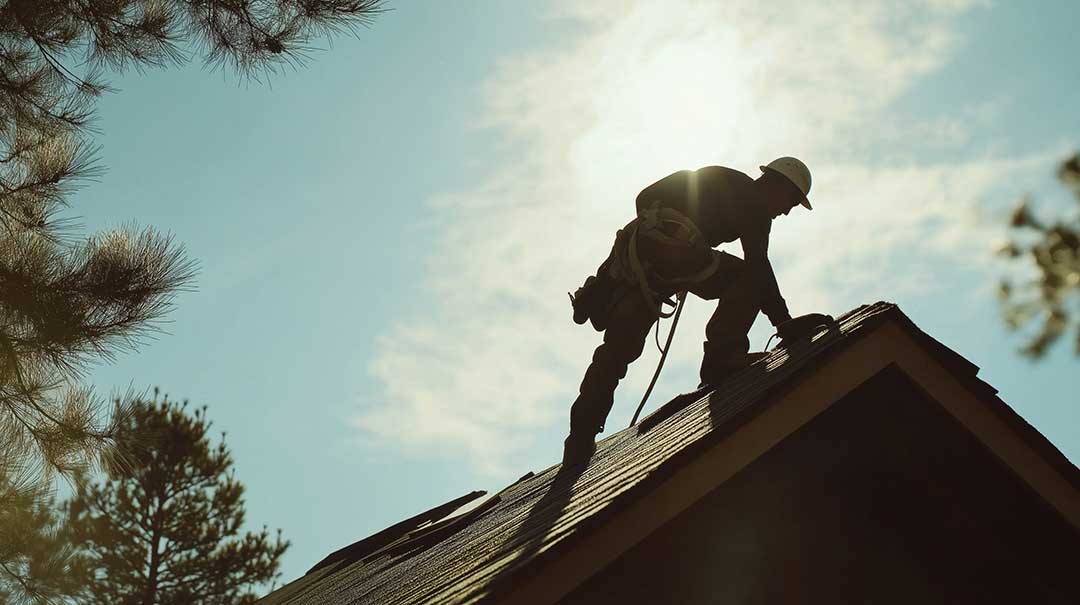
Homes in Chittenango that see regular freeze-thaw cycles are at higher risk for flashing materials loosening or gapping around chimneys and roof cutouts.
What Are Signs That Flashing May Be Failing?
Since flashing is mostly hidden, some warning signs only become clear after a leak has established itself. Keep an eye out for:
- Water stains on ceilings near exterior walls or fireplaces
- Dampness or musty smells in attics after rain or snowmelt
- Visible gaps or rust at roof joints if viewed from the ground or attic
- Shingle curling or missing sections near roof features
Local homeowners sometimes overlook subtle water marks at the top of walls or around chimneys, which are often early indicators of flashing leakage.
How Can Residents Monitor and Maintain Roof Flashing?
Regular visual inspection goes a long way. In Chittenango, it’s wise to check attic spaces during spring thaw and after major storms. Look for any signs of wetness, and from outside, safely survey the ground-level view of the roof for obvious flashing displacement or corrosion.
Clearing gutters and removing winter debris can also reduce water buildup around flashing. During seasonal maintenance, pay attention to:
- Flashing edges around chimneys and walls for gaps or rust
- Sealant or caulk for cracks or dryness
- Shingle coverage over step flashing, especially after windstorms
For many, it’s not practical or safe to climb onto a roof. Viewing from a ladder at eave level or from inside the attic can provide clues without risk.
Common Misconceptions About Roof Flashing
Some residents assume new roofs or recent repairs mean all flashing is up to standard, but flashing can be missed or wrongly installed even on newer homes. Another frequent misconception is that water will always show up directly below the leak. In reality, moisture may migrate meters away from the source before entering interior spaces.
Not all flashing issues require immediate professional attention, but areas affected by rot, repeated moisture, or active leaks may need skilled assessment to prevent further damage.
