
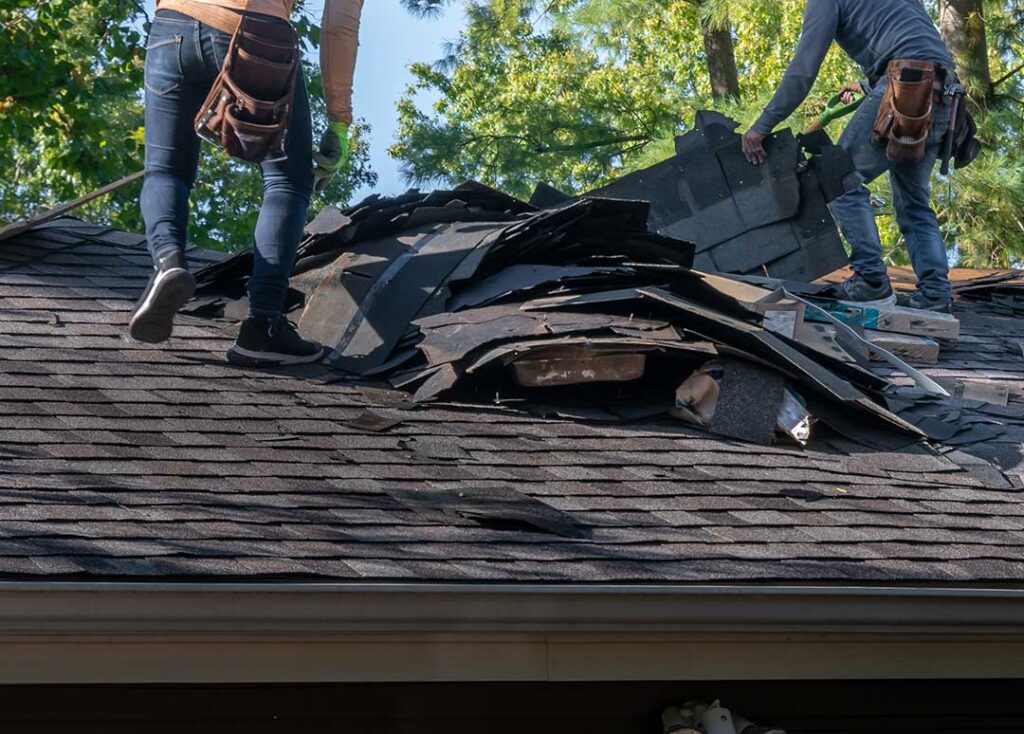
What Should Residents of Chittenango, NY Look For in a Roofing Contractor?
Residents should focus on reputation, experience, licensing, and understanding of local conditions when evaluating a roofing contractor. These factors help ensure the quality and longevity of the work, which is especially important in a climate like that of Central New York.
A contractor familiar with the region knows how seasonal weather patterns—such as heavy snowfall, freeze-thaw cycles, and humid summers—impact roof performance. Checking to see if the contractor's experience includes homes similar to your own (age, roof pitch, material types) can offer additional confidence.
How Can Area Residents Verify a Contractor’s Credentials?
Start by confirming that the contractor holds any required New York State registrations or licensing for roofing services. In much of the state, including this region, licensing isn’t always mandated, but legitimate contractors still should follow local building codes and maintain up-to-date insurance.
Reliable contractors provide:
- Proof of liability insurance and workers’ compensation (to guard against injury claims)
- Written references or a portfolio of similar local projects
- Willingness to explain permits and inspection processes required by local authorities
Residents can also check public records or speak with neighbors who have had similar work done to hear about their experiences.
What Practical Steps Help Protect Homeowners During the Selection Process?
Collecting multiple written estimates offers a realistic picture of reasonable costs and identifies outliers. A detailed, clear estimate should clearly outline materials, labor, project timeline, and any contingencies for unknowns, like replacing hidden damaged wood.
Some commonly overlooked protective steps include:
- Reading warranties carefully to understand what’s covered and for how long
- Asking about cleanup and disposal plans for old roofing material
- Clarifying payment schedules: Avoid any contractor who requests large upfront payments before work begins
For particularly costly or complex jobs, or after severe weather events, extra caution is wise. Out-of-area “storm chasers” may offer attractive deals, but they may not be available for follow-up service.
How Does Seasonal Weather in Chittenango Affect Roofing Work and Contractor Selection?
The city’s weather has a real impact on project timing and roof system choices. Heavy snowfall can cause ice dams and water infiltration, while summer heat can affect shingle performance and installation.
A knowledgeable contractor:
- Understands venting, insulation, and flashing methods that protect against winter leaks
- Schedules work for periods of stable weather to avoid delays and rushed jobs
- Suggests materials suited to the local climate (like ice and water shields or architectural shingles tested for snow load)
Discussing project timing and suitable start dates with a contractor can help minimize inconvenience and reduce the risk of weather-related problems.
Are There Common Misconceptions About Roofing Contractors in the Area?
Many local homeowners believe the most expensive contractor always delivers the best result, but price is only one part of the equation. Others assume that all roofs with the same materials perform identically, regardless of installation quality.
Examples of easily overlooked factors:
- Not all shingles are the same—some brands or product lines are better suited for icy or windy conditions present in this part of the state.
- How a contractor handles flashing, attic ventilation, and underlayment can dramatically affect a roof’s lifespan, sometimes more than the visible surface materials.
- Prompt and thorough communication is a reliable sign of professionalism.
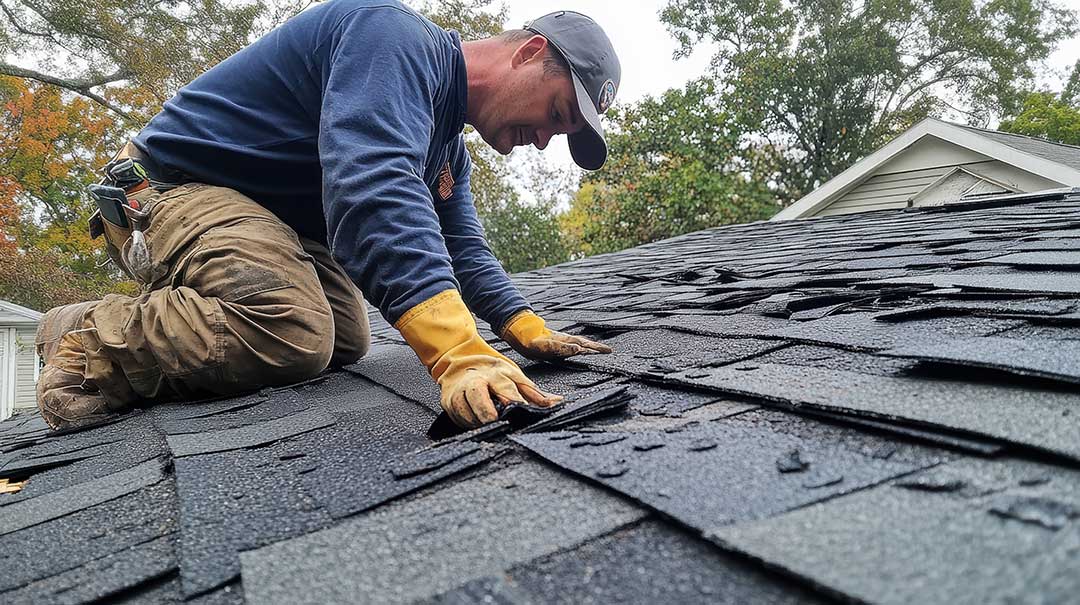
What Red Flags Should Homeowners Watch For?
Certain behaviors indicate risk, such as:
- Reluctance to provide documentation or written estimates
- Pressuring clients for quick decisions or large advance payments
- Limited experience with homes similar to those in the community
- Evasive answers about warranty details or responsibility for permits
Trustworthy contractors expect detailed questions and offer specific, straightforward answers.
How Can Residents Support Long-Term Roof Health After Contractor Selection?
Even after the work is completed, periodic roof checks and maintenance help preserve value. Snow and leaf buildup, moss, and minor flashing problems can often be addressed early if noticed during seasonal inspections.
Some practical tips:
- Clear gutters at least twice a year, especially after autumn leaf fall and before spring thaw
- Check the attic for signs of leaks or mold after major snow or rain events
- After severe weather, visually assess for missing shingles, loose flashing, or debris on the roof
Documenting the contractor’s work, warranty, and any agreed maintenance recommendations can be useful for future reference or if questions arise about performance down the road.
